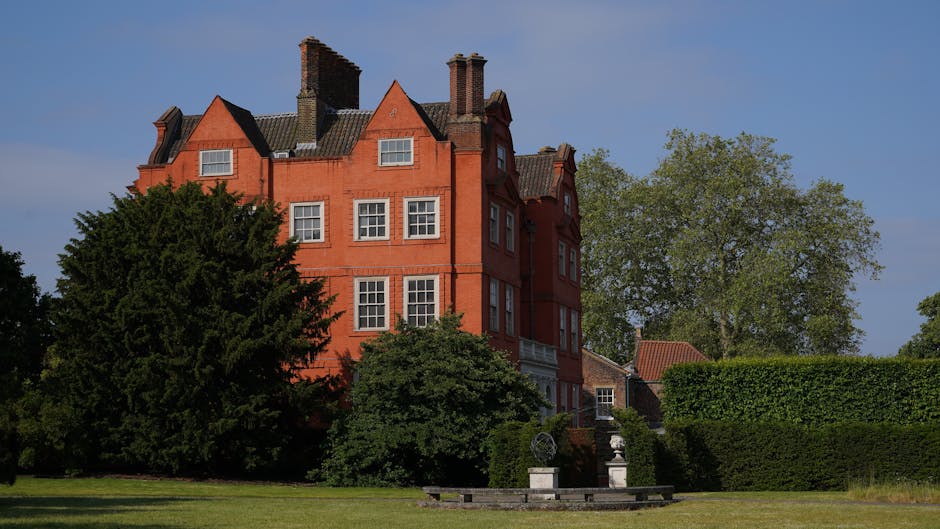
Gardeners for St Johns Wood mansions and flats
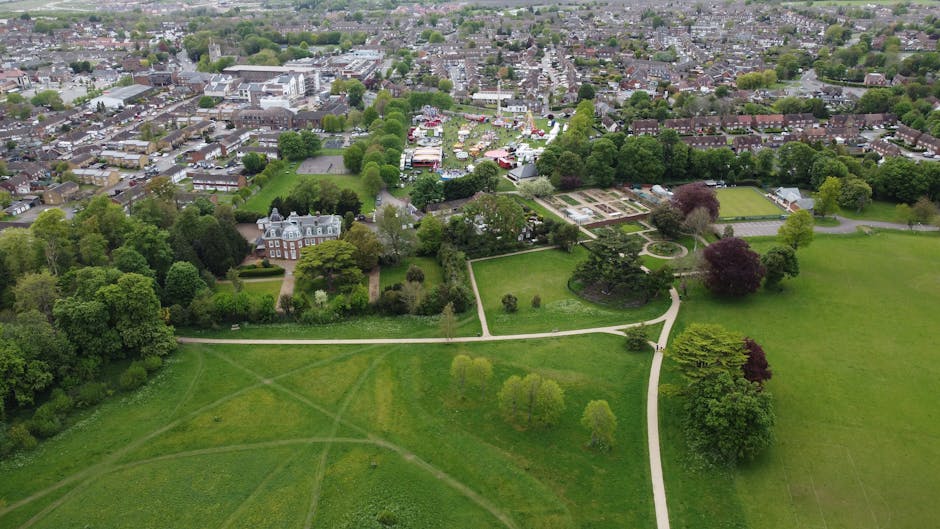
Gardens in St John's Wood are rarely simple. A mansion garden might need crisp borders, mature tree care, and a finish that looks polished from the first glance. A flat's courtyard, balcony planter, or shared entrance space may need something completely different: quiet access, tidy timing, and maintenance that doesn't disturb neighbours. That is exactly why Gardeners for St Johns Wood mansions and flats is such a specific service. It is not just about cutting grass or trimming hedges. It is about keeping premium, lived-in outdoor spaces looking calm, cared for, and appropriate to the property.
If you are comparing options, or simply trying to work out what kind of help your garden actually needs, this guide walks through the practical side of the job. You will find out what the service covers, how it typically works, what to watch for in mansion and flat settings, and how to choose sensible, dependable support without overcomplicating things. Truth be told, that last part matters a lot in London. A neat result is one thing; a hassle-free one is another.
- Why this service matters in St John's Wood
- How the work is carried out
- Key benefits and practical advantages
- Who needs it and when it makes sense
- Step-by-step guidance
- Expert tips for better results
- Common mistakes to avoid
- Tools, resources and recommendations
- Law, compliance, standards and best practice
- Options, methods and comparison
- Case study or real-world example
- Practical checklist
- Conclusion
- Frequently asked questions
Why Gardeners for St Johns Wood mansions and flats Matters
St John's Wood properties often sit in that awkward sweet spot between high-value presentation and everyday use. A mansion garden may be part showpiece, part private retreat. A flat garden, meanwhile, may need to work around shared access, limited storage, drainage issues, and the plain fact that no one wants muddy footprints through a communal hallway. Gardening in this setting needs judgement, not just labour.
That is why professional gardening support matters. It keeps the outdoor space looking intentional rather than accidental. Overgrown edges, patchy lawns, missed pruning windows, and neglected pots can make even an elegant property feel tired. On the other hand, careful maintenance helps a space feel bigger, brighter, and more welcoming. You notice it straight away when you step outside on a mild spring morning or after a wet week when everything has gone a bit wild.
There is also a privacy angle. Mansion gardens often need work to be done discreetly and efficiently, especially where there are neighbours close by or the property is occupied part-time. Flats may need gardeners who understand shared boundaries, noise sensitivity, and access arrangements. In practice, the best service is the one that feels almost invisible while it is happening and clearly visible in the result.
If you want a broader overview of the service range available locally, the services overview is a useful place to start. For routine work, many owners and managing agents begin with garden maintenance, then add specialist tasks such as hedge trimming or lawn mowing as needed.
How Gardeners for St Johns Wood mansions and flats Works
In most cases, the process begins with a quick assessment of the outdoor space. That could be a front garden, formal rear lawn, terrace, roof-level planting, side return, or a shared courtyard. The key questions are simple: what is growing, what needs attention, what is seasonal, and what kind of access or restrictions are in place?
From there, a sensible plan is put together. For mansion gardens, that plan might include repeated visits for lawn care, hedge shaping, bed weeding, pruning, and tidy edging. For flats, the work may be lighter but more frequent, especially where pots, raised beds, or communal planting need a tidy, consistent look. The service is often scheduled around residents, building managers, or concierge arrangements. Not glamorous, but very practical.
The actual work can involve hand tools, powered equipment, waste removal, and occasional specialist help. For example, a heavily overgrown rear section may need garden clearance before regular maintenance can begin. A more structured garden might benefit from soft landscaping tweaks, border reshaping, or even a new surface area with decking services. It depends on the space and the long-term aim.
A good gardener will also think about how the garden is used. Is it a place for family time, entertaining, or simply for visual calm from the windows? Does the flat have a tiny courtyard that traps moisture and shade, or a sunnier patch that dries fast and needs more watering? Small questions, yes. They make a big difference.
Key Benefits and Practical Advantages
The obvious benefit is presentation. A well-kept garden improves the look of a property without shouting about it. That matters in St John's Wood, where people tend to notice proportion, neatness, and quality of finish. But there are several other benefits that are easy to overlook until the garden starts slipping.
- Better first impressions: A tidy entrance or courtyard creates the right tone before anyone even steps inside.
- Less stress for owners and residents: Regular maintenance prevents small jobs from piling up into a weekend-consuming mess.
- Healthier plants and lawns: Consistent pruning, feeding, and mowing support long-term growth.
- Improved safety: Clear paths, managed tree growth, and controlled debris reduce trip hazards and blocked access.
- More usable space: A garden feels larger when it is organised properly. Funny how that works.
- Better alignment with building standards: In flats and managed properties, the outside space needs to look deliberate, not neglected.
There is also a subtle benefit: confidence. When the outside space is in order, the property feels easier to live in. You are not constantly thinking about what needs cutting back, what the neighbours might see, or whether the garden has become "one of those jobs" that everyone avoids. That mental relief is worth something.
Who This Is For and When It Makes Sense
This service suits a fairly wide range of people, but the common thread is simple: the outdoor area needs thoughtful, regular care rather than the odd rushed tidy-up. That could be a homeowner with a large mansion garden, a landlord overseeing a flat with outdoor space, a block manager responsible for shared planting, or a resident who wants their terrace to look good all year without spending every Saturday trimming and sweeping.
It makes particular sense if any of these sound familiar:
- The garden looks fine for a week or two, then slips quickly.
- You have hedges, mature shrubs, or trees that need more than casual attention.
- The property has limited access, shared entrances, or neighbours close by.
- You want a consistent standard rather than a one-off tidy.
- You need help after a period of neglect, a tenancy change, or building works.
For larger or more complex gardens, you may also need support from a broader landscaping team. If the space needs redesign, levels, new planting, or structural changes, landscape gardening and landscaping become part of the conversation rather than just maintenance.
And yes, flats count. In fact, flat gardens can be deceptively demanding. One client may only have a modest courtyard, but if drainage is poor, the planting is over-enthusiastic, and access is awkward, that little space can take more thought than a much bigger lawn. Not every garden is big enough to be obvious about its problems.
Step-by-Step Guidance
If you are trying to manage this properly, a steady process works better than vague intentions. Here is the practical route I would suggest.
- Assess the space honestly. Walk through it and note what is healthy, what is overgrown, and what is simply untidy.
- Separate urgent work from routine work. Clearing access paths, removing dead growth, and checking tree or hedge issues may come first.
- Decide what kind of service you need. Some spaces need maintenance only; others need a reset through clearance or landscaping.
- Check access and logistics. Think about gate codes, parking, storage for tools, water access, and waste removal. This is where many jobs either run smoothly or get awkward fast.
- Set a realistic schedule. Weekly, fortnightly, monthly, seasonal - the right rhythm depends on the planting and the level of formality in the space.
- Review the result after the first visit. You should be able to see whether the plan suits the property or needs adjusting.
On many jobs, the first visit tells you a lot. A well-managed space usually becomes easier to maintain after the initial cleanup. A neglected one may need a bit more one-off work before routine service can do its job. That is normal. No drama.
If trees are blocking light, dropping too much debris, or creating safety concerns, it may also be sensible to look at tree lopping and removal. That should always be handled carefully, with proper judgement and a clear reason, not just hacked back because it looks overgrown. Let's face it, trees do not grow back on a timetable that suits anyone.
Expert Tips for Better Results
The best results usually come from a few simple habits rather than dramatic interventions.
- Keep the rhythm steady. Frequent light maintenance is often better than occasional heavy cutting.
- Match the work to the property style. A formal mansion garden should not be treated like a casual suburban patch. The finish matters.
- Use the right cut at the right time. Hedges, lawns, and shrubs all have their own seasons and recovery patterns.
- Watch drainage and shade. In courtyards and flat gardens, these two things often explain most recurring problems.
- Do not over-plant small spaces. It looks lush for a while, then becomes crowded and hard to manage. A classic mistake.
- Plan for disposal. Green waste piles up quickly. Having a clear plan for removal saves time and keeps the site tidy.
One small but useful habit: take photos after a good maintenance visit. Not for show, just for comparison. In a month or two, you can see what has changed and whether the schedule is working. It sounds a bit boring, but it helps. Quietly effective, that's the phrase.
If you are worried about budget or scope, it can help to start with a clear pricing conversation. The page on pricing and quotes is useful if you want to understand how a job is usually scoped before anything begins.
Common Mistakes to Avoid
Most garden problems in premium properties are not caused by one catastrophic error. They build up slowly because nobody wants to deal with them until they become obvious.
- Waiting too long between visits. A short gap becomes a long one very quickly in good growing conditions.
- Ignoring access issues. Shared entrances, locked courtyards, and parking restrictions can derail an otherwise simple job.
- Treating all outdoor areas the same. A flat terrace, a manor lawn, and a narrow side garden need different attention.
- Cutting back too hard. Heavy pruning at the wrong time can leave plants stressed or bare.
- Assuming one-off tidy-ups solve everything. They help, yes. But without follow-up, the space usually drifts back again.
- Forgetting about waste and mess. A garden can look finished from a distance and still be a nuisance if clippings are left behind.
Another quiet mistake is underestimating how much professional coordination matters in flats. Shared gardens often need a bit of diplomacy. Who gets notified? When can the work happen? Where does debris go? These are small questions until, well, they are not.
Tools, Resources and Recommendations
You do not need to know every tool a gardener might bring, but it helps to understand the basics. For most mansion and flat garden work, the toolkit usually includes lawn mowers, edging tools, secateurs, hedge trimmers, pruning saws, leaf blowers or rakes, and bags or containers for waste collection. For more involved jobs, there may be specialist equipment for clearance, soil preparation, or structural landscaping.
For readers who want to map out their priorities, the most useful resources are usually internal rather than external. Start with the service pages that match the work you actually need. For example:
- lawn mowing for lawn care and tidy presentation
- hedge trimming for formal boundaries and privacy
- garden clearance for overgrowth and post-neglect reset work
- decking services if the outdoor area needs a more usable surface
- recycling and sustainability if waste handling and responsible disposal matter to you
You may also find it useful to learn more about the business itself before booking. The about us page gives helpful context on who is behind the service, while insurance and safety and health and safety policy are worth a look if you manage a property and need confidence in working practices.
Law, Compliance, Standards, or Best Practice
For gardens attached to mansions or flats, compliance is usually less about a single headline rule and more about doing things properly, safely, and respectfully. That means being aware of access arrangements, avoiding damage to shared property, and handling tools and waste in a sensible way. If trees are involved, extra care is always wise because overcutting, unstable limbs, or boundary issues can create problems quickly.
In the UK, good practice usually means checking that the work is proportionate, the site is kept safe, and the service provider is appropriately insured for the job. If there are shared residents, management agreements, or leasehold obligations, it is also smart to keep communication clear. Nobody enjoys surprises with ladders, hedge trimmers, or waste piles in communal space. Not a fan of those surprises, personally.
For a property manager, the most useful standards are often the practical ones: documented access, clear scope, sensible timing, tidy completion, and appropriate waste handling. If the service touches payment or security concerns, the payment and security page may also be helpful. If you are concerned about terms or the complaints process, the site also provides terms and conditions and a complaints procedure for transparency.
Options, Methods, or Comparison Table
Not every property needs the same kind of support. Here is a practical comparison to help you think about the right approach.
| Approach | Best for | Typical strengths | Possible drawbacks |
|---|---|---|---|
| Routine garden maintenance | Established mansion gardens and tidy flat courtyards | Consistent presentation, fewer problems over time, manageable costs | May not solve serious overgrowth or layout issues |
| One-off clearance | Neglected spaces, post-tenancy resets, access-choked gardens | Fast visible improvement, clears the slate | Needs follow-up or the space slips again |
| Soft landscaping | Spaces that need planting changes or better structure | Improves usability and visual balance | More planning required, not instant |
| Hard landscaping | Terraces, paths, decking, and structural outdoor upgrades | Changes how the space works day to day | Higher planning effort and more disruption during installation |
In real life, many properties use a mix of these. A flat garden might need a clearance first, then routine maintenance. A mansion may need mowing and pruning most of the year, then landscaping work when the layout or planting no longer suits the space. No single method wins every time. It would be nice, but no.
Case Study or Real-World Example
Consider a typical St John's Wood property with two very different outdoor areas: a formal front garden visible from the street and a smaller private rear space used mostly in the warmer months. The front garden needs structure, clipped hedging, and a lawn that looks sharp even after rain. The rear area has pots, a narrow path, a few older shrubs, and a corner that always collects leaves.
At first glance, both spaces might look as though they simply need "a gardener." In practice, the front garden benefits most from regular lawn care and hedge trimming, while the rear space needs clearer waste management, pruning, and a better seasonal rhythm. If the rear corner gets too shaded, the planting may need rethinking rather than just more attention. That is the sort of detail that separates decent results from proper ones.
A sensible plan in this scenario would be:
- start with a tidy-up and any necessary clearance;
- set a fortnightly or monthly maintenance schedule;
- address the hedge line and lawn presentation first;
- review drainage, shade, and plant density in the rear space;
- consider landscape adjustments if the garden keeps fighting the same problems.
The result is usually a space that feels calmer and easier to use. Not perfect overnight, but better in a way that lasts.
Practical Checklist
Use this checklist before booking or arranging work for a mansion or flat garden.
- Access: Do the gardeners know how they will enter and exit the property?
- Scope: Is it routine care, a one-off tidy-up, or a larger improvement project?
- Priority areas: Which parts matter most visually or practically?
- Waste: Is green waste removal included or planned for?
- Timing: Will the work avoid noise-sensitive hours or resident peak times?
- Safety: Are there any awkward slopes, hidden obstacles, or tree concerns?
- Budget: Is there a realistic expectation for the level of work needed?
- Follow-up: What happens after the first visit?
- Documentation: Do you need notes, photos, or a maintenance plan?
- Long-term plan: Does the garden need maintenance only, or something more structural?
If you can answer most of those with confidence, you are already in a good place. If not, that is fine too. It just means the job needs a better brief, not more guesswork.
Get a free quote today and see how much you can save.
Conclusion
Gardeners for St Johns Wood mansions and flats is really about matching the right level of care to the right kind of property. Mansion gardens need polish, rhythm, and discretion. Flat gardens need sensible access, tidy execution, and a plan that works within shared or compact spaces. In both cases, the goal is the same: a garden that feels looked after without becoming a burden.
If you take nothing else from this guide, take this: the best garden work in St John's Wood is usually the work that prevents future hassle. It keeps the place calm, presentable, and easy to live with. And that, to be fair, is exactly what most people want from a good gardener. A little order. A little breathing room. A lot less faff.
When the outside space feels settled, the whole property does too. There is something quietly reassuring about that.
Frequently Asked Questions
What do Gardeners for St Johns Wood mansions and flats usually include?
It usually includes lawn mowing, hedge trimming, pruning, weeding, border care, tidying, and waste removal. For more complex properties, it can also include clearance work, planting improvements, or landscaping support.
Do flat gardens need the same level of care as mansion gardens?
Not always the same level, but they often need just as much thought. Flat gardens can be smaller and more awkward to access, which means maintenance has to be efficient and tidy.
How often should a luxury garden be maintained?
That depends on the size of the space, the season, and the planting. Some gardens need weekly or fortnightly attention, while others are fine on a monthly plan with seasonal adjustments.
What if the garden is badly overgrown?
In that case, a clearance visit is often the best starting point. Once the space is reset, regular maintenance is much easier to manage and far more effective.
Can gardeners work around shared entrances and residents?
Yes, if access is planned properly. Good communication makes a huge difference in flats and managed buildings, especially where there are timing or noise sensitivities.
Do I need landscaping or just maintenance?
If the issue is mainly presentation, maintenance may be enough. If the layout, drainage, planting, or hard surfaces are no longer working, landscaping could be the better option.
What should I look for in a gardener for a mansion or flat?
Look for someone who understands discretion, access logistics, property standards, and the difference between routine upkeep and structural improvement. That combination matters more than people think.
How do I prepare my property before the visit?
Make access clear, move personal items if needed, and note any delicate areas, resident restrictions, or specific priorities. A short brief at the start usually saves time later.
Can gardening help with privacy in a flat or mansion garden?
Yes. Hedge trimming, planting choices, and thoughtful layout can make a space feel more private without making it look closed in or overworked.
Is waste removal usually part of the service?
Often, yes, though it should always be confirmed in advance. Green waste can build up quickly, especially after clearance or heavy pruning.
What is the biggest mistake property owners make?
The biggest mistake is usually waiting too long. By the time a garden looks obviously tired, it often needs a reset rather than simple maintenance. Catching it earlier makes life easier.
How do I choose between one-off work and ongoing maintenance?
If the space is already in good shape, ongoing maintenance is the smarter choice. If it has become neglected or the planting is out of control, one-off work first and regular care afterwards is usually the best path.
Where can I learn more about the company and service standards?
You can review the about us page, along with the site's insurance and safety, health and safety policy, and recycling and sustainability information for added reassurance.
How do I ask for a quote?
The simplest approach is to gather a clear idea of the work needed, then use the site's contact us page to request a quote. A good brief usually leads to a better estimate.